April 22, 2026
Homeowners seeking comfort, energy savings, and curb appeal often focus on upgrading windows, and one of the most popular projects is double hung window replacement. Double-hung windows feature two sashes that move vertically, offering flexibility in ventilation and cleaning. Yet today’s homeowners face a key choice: traditional double-hung windows or modern tilt-in designs. While both styles deliver familiar functionality, they differ in operation, maintenance, cost, and long-term performance.
Choosing the right option matters because windows are not only architectural features—they also affect your home’s energy performance, maintenance workload, and day-to-day comfort. The decision between traditional and tilt-in double-hung windows can influence your cleaning routine, indoor air quality, long-term durability, and even your home’s resale value. Understanding the advantages and disadvantages of each type ensures you make a smart investment that fits your lifestyle and budget.
Comparing Traditional Double-Hung Windows: Classic Appeal and Function
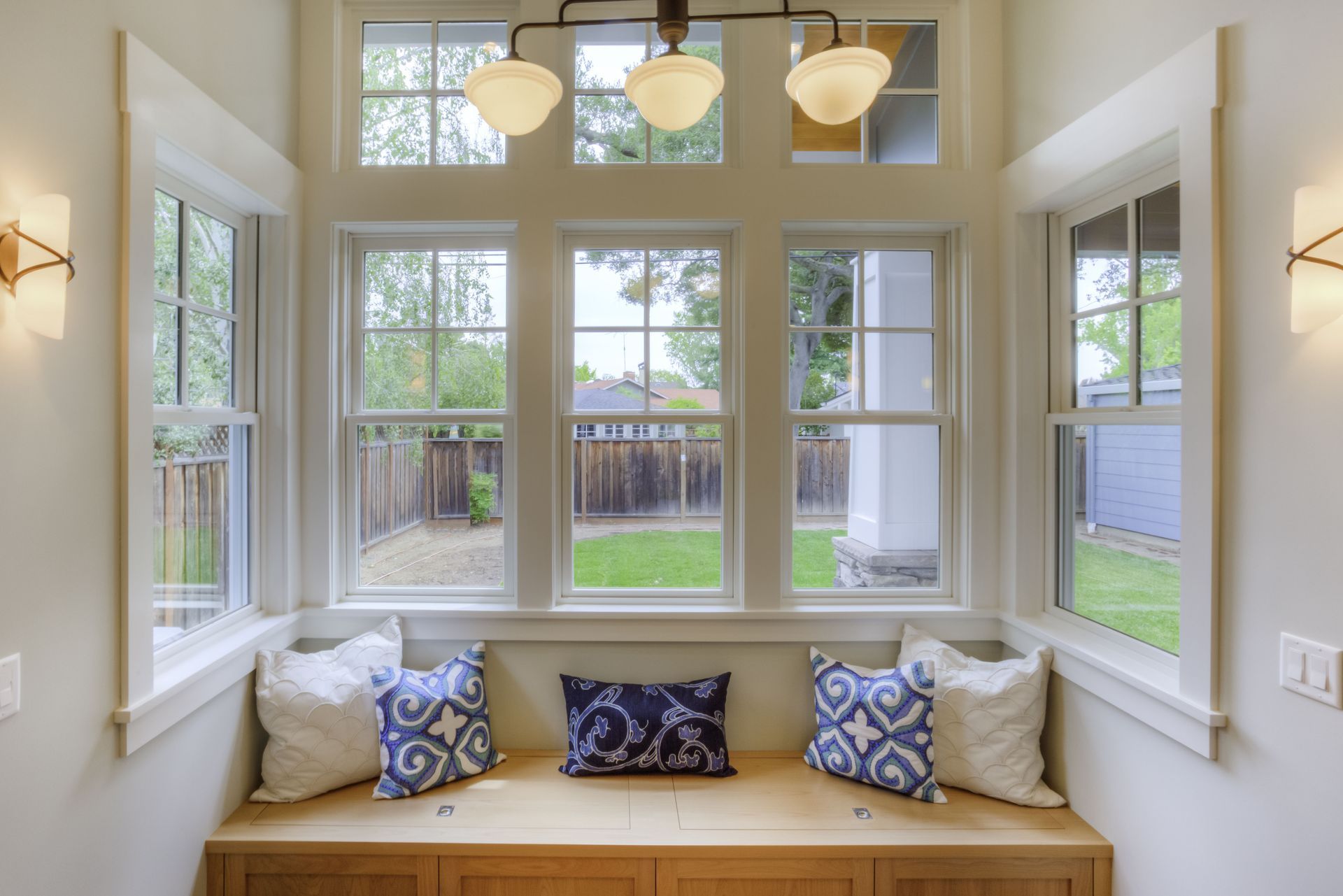
Traditional double-hung windows have been a mainstay in homes for generations, and their time-tested design appeals to homeowners seeking historical accuracy and classic style. These windows feature two sashes that slide up and down within the frame, offering flexible ventilation options. Homeowners appreciate the timeless look, which complements historic architecture and adds authenticity to older homes. Many older houses still have original double-hung windows that can be restored, preserving character and craftsmanship.
A major advantage of traditional windows is durability. Many older frames were built with solid wood and traditional joinery techniques, resulting in windows that have lasted decades. When properly maintained—repaired, painted, and sealed—traditional windows can continue performing well. However, these windows do require routine upkeep. Wood components may warp or rot, paint can peel, and glazing putty eventually cracks, requiring periodic maintenance.
Another key factor is cost and value. Traditional windows are often less expensive upfront than advanced tilt-in models, making them attractive to homeowners working with a tight budget. However, homeowners should consider long-term maintenance costs, especially if wood repair or energy-efficiency upgrades become necessary. Traditional windows typically lack modern energy-saving features unless retrofitted with updated glass or weatherstripping.
In terms of market trends, traditional styles remain popular. According to GMinsights.com, the traditional double-hung window segment exceeded USD 2.8 billion in 2024 and is expected to grow to USD 4.1 billion by 2034. This growth highlights ongoing demand and reinforces why many homeowners still consider classic styles when evaluating double hung window replacement options.
Evaluating Tilt-In Double-Hung Windows: Modern Convenience and Efficiency
Tilt-in double-hung windows bring modern engineering to a familiar style. Their standout feature is the ability to tilt inward from the frame, allowing homeowners to clean the exterior glass from inside the home. This is especially helpful for multi-story homes or for anyone wanting safer, easier maintenance. With tilt-in designs, there’s no need to climb ladders or hire exterior cleaning services.
Another major advantage is energy efficiency. Many tilt-in windows are constructed using modern materials such as vinyl or fiberglass, which resist warping, rotting, and moisture damage. They often include double or triple glazing, low-emissivity coatings, and insulated frames. These features help reduce heat loss, improve indoor comfort, and lower energy bills, which is a key reason homeowners choose modern replacements.
Tilt-in windows also support better airflow. Because both the top and bottom sashes can move, homeowners can create natural air circulation by lowering the top sash to release warm air while raising the bottom sash to draw in cool air. This cross-ventilation capability can help reduce reliance on air conditioning during moderate weather.
However, the initial investment for tilt-in windows is typically higher than for traditional models. The advanced design and enhanced materials add to upfront costs. Yet many homeowners consider the investment worthwhile because reduced maintenance, improved energy performance, and convenience can balance out the cost over time. For many households, tilt-in designs represent the next step forward in double hung window replacement.
Performance Factors: Energy Efficiency, Maintenance, and Lifespan
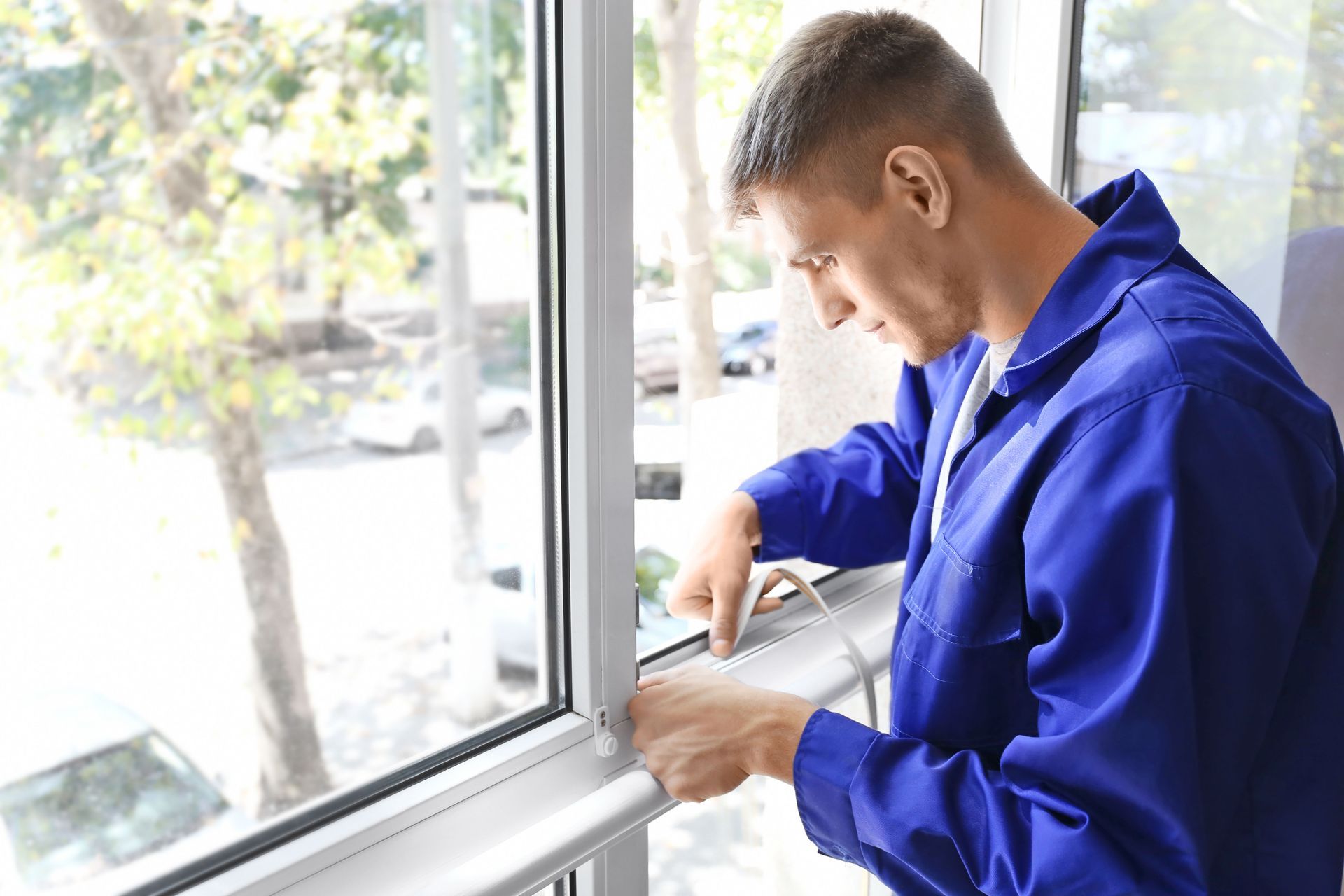
Energy efficiency is a major consideration for any window project. Traditional double-hung windows, especially older wood models, may allow air leakage if they are not well-maintained. This can lead to drafts, uneven indoor temperatures, and higher utility bills. Homeowners can improve efficiency with weatherstripping, storm windows, or updated glass, but these upgrades require additional investment.
Tilt-in models, on the other hand, often come with factory-installed insulation and modern sealing systems. Their frames are designed to minimize air infiltration, and multi-pane glass packages reduce heat transfer. This means less energy loss, lower heating and cooling bills, and improved comfort year-round. For households looking to reduce energy consumption, modern windows are often the better choice.
Maintenance is another critical factor. Traditional wood windows require periodic sanding, painting, and sealing to protect against weather damage. Neglecting these tasks can lead to rot, sticking sashes, or broken glass seals. In contrast, tilt-in windows made from vinyl or fiberglass require minimal maintenance. Cleaning is simpler, and materials resist common issues like peeling paint and warping.
Lifespan varies based on material quality and maintenance habits. A well-maintained traditional window can last for decades, but so can modern tilt-in designs. The key difference is how much effort and cost homeowners are willing to invest in ongoing care. When comparing options for double hung window replacement, weighing long-term performance against maintenance requirements can help determine the best fit.
Cost Considerations and Homeowner Lifestyle Factors
Cost is often the deciding factor when choosing between traditional and tilt-in designs. Traditional double-hung windows may offer a lower initial purchase price, making them appealing for homeowners on a budget. However, ongoing maintenance, repairs, and energy inefficiencies may increase long-term costs. Homeowners should consider both immediate and future expenses when evaluating options.
Tilt-in windows generally come with a higher upfront price due to modern construction, improved materials, and enhanced energy performance. But many homeowners find that energy savings, reduced maintenance, and increased home value offset the higher cost. Additionally, tilt-in windows can improve resale appeal, especially for buyers who value low-maintenance features and modern convenience.
Lifestyle also plays a role. Busy homeowners may prefer the ease of tilt-in windows because they simplify cleaning and require minimal upkeep. Homeowners who enjoy hands-on home improvement projects or who live in historic homes may prefer traditional windows for their authenticity and charm. Each option supports a different lifestyle and maintenance preference.
Finally, personal priorities matter. Some homeowners prioritize historical authenticity, while others prioritize energy savings and convenience. Whether your priority is style, sustainability, or simplicity, choosing the right windows is about matching your goals to the product. Understanding these lifestyle factors helps homeowners make confident decisions about double hung window replacement.
Both traditional and tilt-in double-hung windows offer valuable benefits, but they cater to different needs. Traditional windows provide timeless aesthetics and historical accuracy, while tilt-in models offer convenience, energy efficiency, and low maintenance. By comparing costs, performance, and lifestyle considerations, homeowners can identify which style aligns best with their goals.
Choosing the right windows is about balancing appearance, budget, and practicality. Whether you prefer the charm of classic craftsmanship or the convenience of modern engineering, thoughtful planning ensures a successful project. With careful consideration, your double hung window replacement can enhance comfort, efficiency, and beauty in your home for years to come. Contact Window Xperts today to get started on your double hung window replacement and upgrade your home with lasting comfort and style. Let our team help you choose the right windows for your space and budget.