March 4, 2026
Windows play a crucial role in determining the energy efficiency and comfort of a home. With old and inefficient windows, homeowners might face higher energy bills and uncomfortable indoor environments. Replacing these outdated structures with modern, energy-efficient windows not only improves the overall aesthetic of a home, but it also brings about noticeable benefits in terms of thermal comfort and reduced energy consumption. Inefficient windows are often significant contributors to energy loss, leading many homeowners to consider upgrading. In this article, we explore how window replacement can greatly enhance your home's energy efficiency and comfort.
Enhancing Energy Efficiency in Homes
Energy efficiency refers to using less energy to perform the same task. It is a critical component in efforts to mitigate climate change and reduce greenhouse gas emissions. Energy efficiency in homes is essential because it leads to lower utility costs, improves indoor comfort, and can increase a property's market value. Homes that prioritize energy-efficient features, including modern windows, are better equipped to handle temperature fluctuations and reduce dependence on artificial heating and cooling. By upgrading to energy-efficient windows, a home becomes part of a broader movement towards sustainability.
Windows account for a significant portion of a home's energy loss, with ineffective insulation being a primary culprit. Their role in a home's energy efficiency is twofold: they can either prevent or allow heat transfer through conduction, convection, and radiation. Properly installed, energy-efficient windows minimize unwanted heat gains and losses, maintaining a stable indoor environment. In winter, these windows help retain heat, while in summer, they impede outdoor heat from penetrating the home. Furthermore, by optimizing natural light, they reduce reliance on artificial lighting, contributing to energy savings.
Switching to energy-efficient windows can result in substantial energy savings. According to the U.S. Department of Energy, homeowners may save up to $465 annually by replacing single-pane windows with ENERGY STAR-rated models. Such savings are a significant endorsement of the investment in new window installations. Not only do they lower monthly utility costs, but they also contribute to a reduction in overall energy demand. As industry advancements continue, these savings are likely to increase over time, solidifying the economic case for window replacement.
Understanding Types of Energy-Efficient Windows
Double-glazed windows consist of two panes of glass with an air or inert gas layer between them, offering improved insulation compared to single-pane counterparts. Triple-glazed windows, on the other hand, add a third pane and additional gas fill layers, enhancing energy efficiency and soundproofing even further. The choice between double and triple glazing depends on specific climate conditions and budget considerations. Both options provide substantial energy savings, but triple-glazed windows deliver superior performance in regions with extreme weather.
Low-E coatings are integral to modern energy-efficient windows, providing superior thermal performance. These microscopic layers reflect heat while allowing visible light to pass through. In colder climates, Low-E coatings can retain generated heat within the home, whereas in warmer climates, they prevent external heat from penetrating indoors. This dual functionality makes Low-E glass a versatile option for enhancing a window's energy efficiency.
Gas fills, typically argon or krypton, inhabit the space between window panes to reduce heat transfer. These gases, chosen for their insulating properties, enhance the thermal performance of windows significantly. Spacer systems act as structural support for the panes and optimize the insulation by maintaining a consistent gap. Innovative designs ensure the longevity and effectiveness of space systems, contributing to lower energy consumption.
Reaping Financial Benefits by Replacing Windows
The initial cost of window replacement can be a substantial investment, deterring some homeowners. However, the long-term savings on energy bills often offset these initial expenses. Energy-efficient windows reduce the burden on HVAC systems, leading to lower electricity and gas consumption. Over time, these savings can significantly exceed the upfront costs, making window replacement a financially prudent choice.
New energy-efficient windows provide a substantial reduction in heating and cooling bills, easing financial strain on households. By significantly minimizing heat transfer, they reduce the workload on HVAC systems, translating to lower operational costs. Homeowners often notice immediate savings in their energy usage and related costs, making window replacement one of the most effective energy-saving home improvements. As building codes and efficiency standards become more stringent, the associated financial savings are likely to increase.
Energy-efficient windows not only improve a home's function but can also enhance its market value. Prospective buyers often view these upgrades as valuable, given their benefits in comfort and cost savings. Realtors recognize such improvements as attractive features, potentially increasing the resale price of the property. Apart from energy savings, buyers are also drawn to the modern aesthetic and noise reduction these windows offer.
Improving Comfort With New Windows
Modern energy-efficient windows contribute to a home's comfort by ensuring consistent indoor temperatures. By preventing heat gain in the summer and heat loss in the winter, these windows eliminate temperature fluctuations. This consistency enhances indoor comfort, allowing for a more pleasant living environment throughout the year. Even in extreme weather conditions, energy-efficient windows maintain thermal comfort, reducing the frequency of HVAC system adjustments.
Beyond energy efficiency, new window designs can substantially reduce exterior noise infiltration. Double or triple glazing, combined with advanced frame materials, create effective sound barriers. This improvement is particularly beneficial in urban settings where outside noise can disrupt indoor peace. Enhanced noise reduction contributes to overall comfort, creating a quieter and more serene indoor environment.
Energy-efficient windows optimize natural light access without sacrificing comfort. This is achieved through glazing technology that filters excessive solar radiation whilst allowing ample daylight. Managing natural light levels benefits occupants by improving mood, productivity, and even health, while also reducing the need for artificial lighting during daylight hours. Good daylight management also minimizes glare, which can be a common issue with outdated windows.
Choosing the Right Windows for Your Home
Choosing the right windows involves a thorough assessment of your home's unique needs. Factors such as climate, sun exposure, and existing design all influence window performance and suitability. An accurate assessment helps in tailoring window choices to optimize energy savings and comfort. Consulting with professionals can provide insights into specific products that align with the home's thermal and aesthetic requirements.
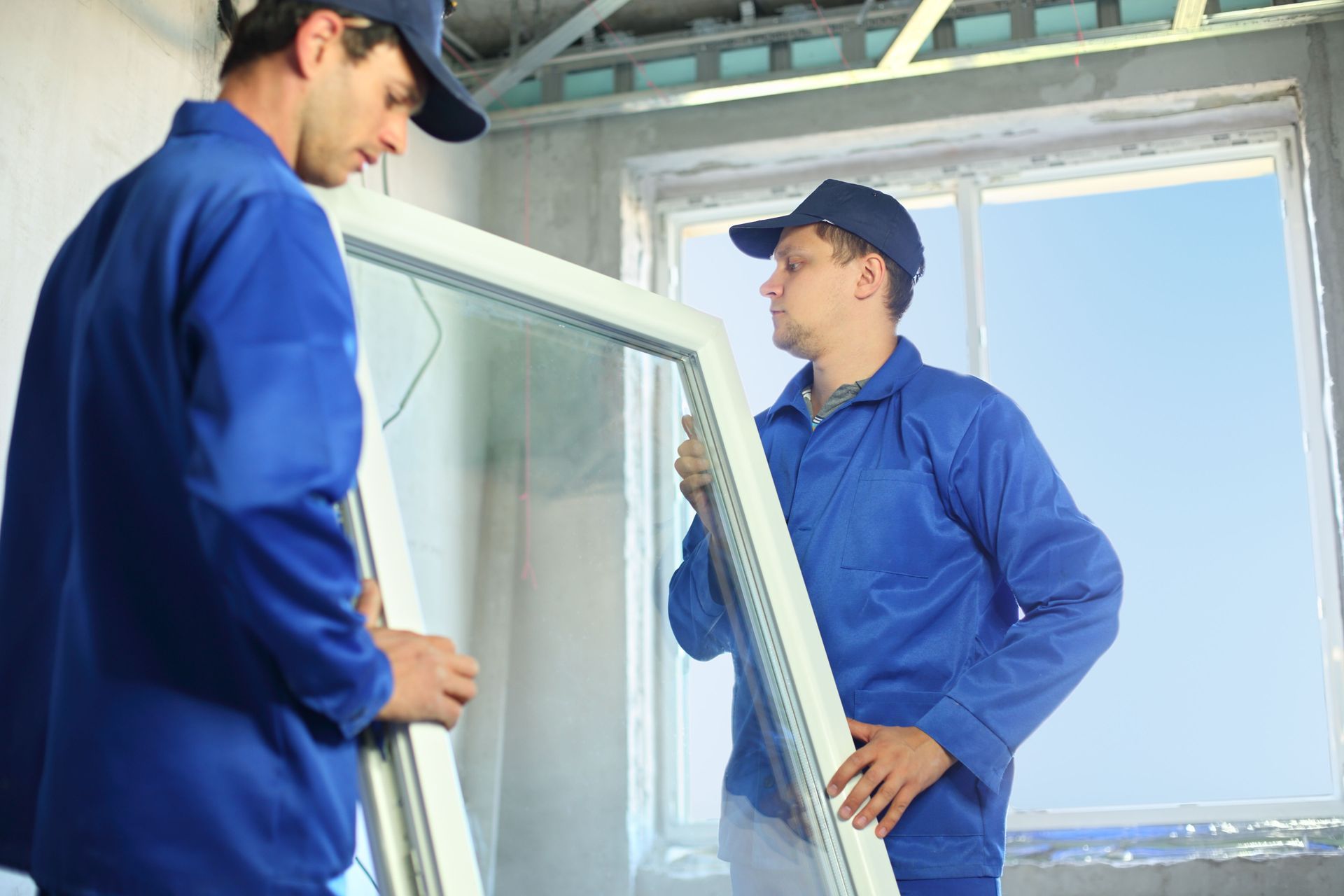
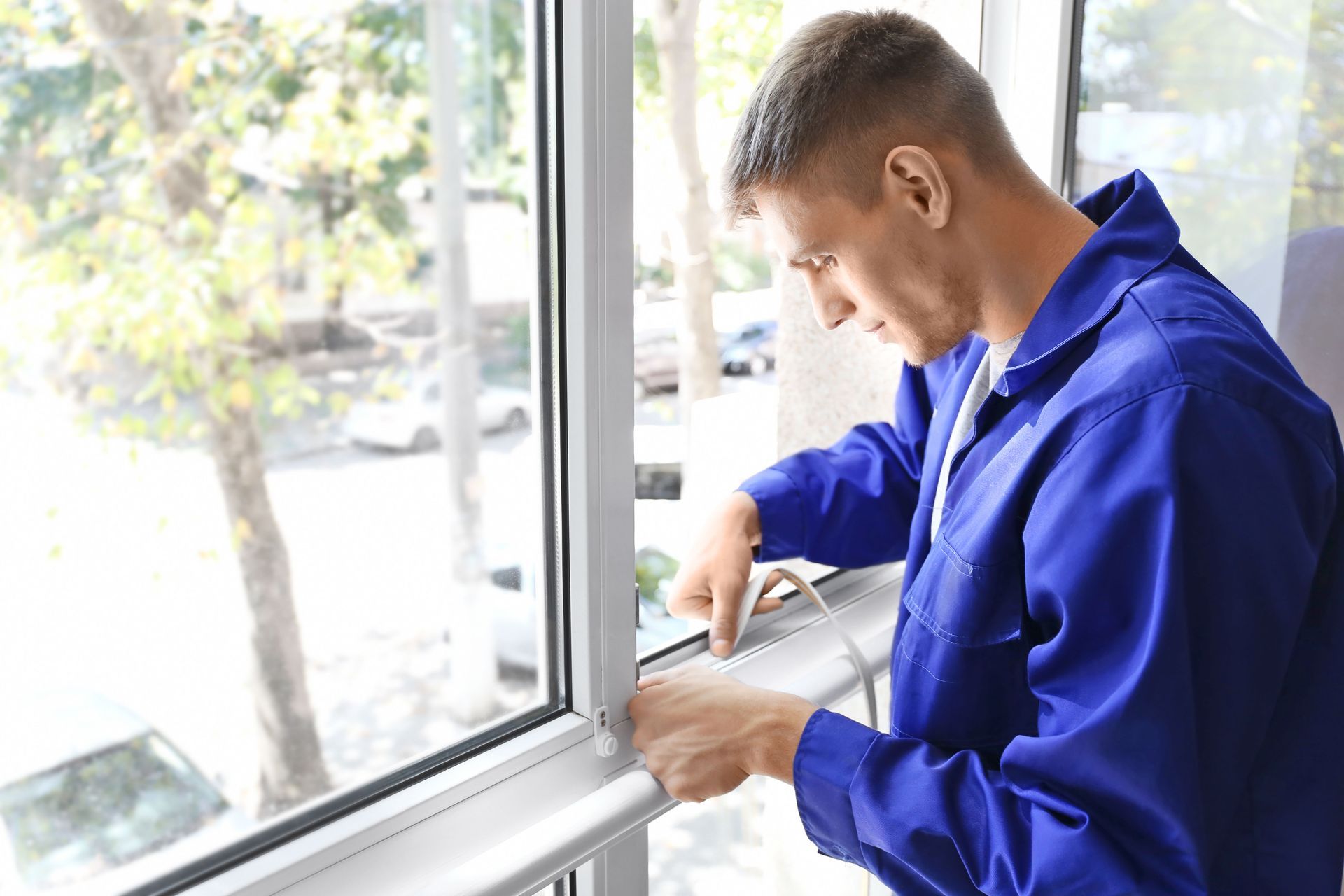
Professional installation is critical for maximizing the performance and lifespan of energy-efficient windows. Mistakes during installation can negate the benefits of high-performance windows by allowing drafts or misalignments. Certified installers bring expertise in optimizing seal integrity and fit, drastically reducing potential energy loss. Quality installation ensures windows function as intended, delivering the expected energy savings and comfort improvements.
Modern window designs offer considerable opportunities for customization, allowing homeowners to align functionality with personal taste. Whether opting for classic wood frames or sleek contemporary styles, energy-efficient options abound across a spectrum of aesthetics. Varieties in glass, frame finishes, and window styles (such as casement or sliding) allow for tailored solutions that complement the home's architecture. Additionally, customization can accommodate specialized needs, such as noise reduction or additional UV protection.
Proper
window replacement can significantly improve a home's energy efficiency and comfort, offering financial, environmental, and lifestyle benefits. Through energy conservation, noise reduction, and aesthetic customization, modern windows enhance a home's value and appeal. Homeowners considering replacement should weigh the advantages of energy-efficient solutions against their budget and pursue strategic upgrades. Get in touch with Window Xperts if you need new windows for your home.